Last July, a Dubai restaurant owner called us at 11 p.m. His regular supplier’s van had broken down on Sheikh Zayed Road, and 200 kilograms of seafood was sitting in the back with no cooling, in weather that hadn’t dropped below 38°C since sunset. He had a wedding order due at 7 a.m.That phone call is basically why
refrigerated transport systems exist in this country. Not as a nice-to-have. As the difference between a business that survives Dubai’s summer and one that doesn’t.If you’re reading this, you’re probably trying to figure out which refrigerated transport systems actually fits your business — a chiller van, a freezer truck, something bigger — and how much it should reasonably cost you in Dubai or Abu Dhabi. We’ve spent years moving temperature-sensitive cargo across the UAE, so let’s walk through this properly, without the sales pitch.
What Refrigerated Transport Systems Actually Are (and Why Dubai Changes the Rules)
A
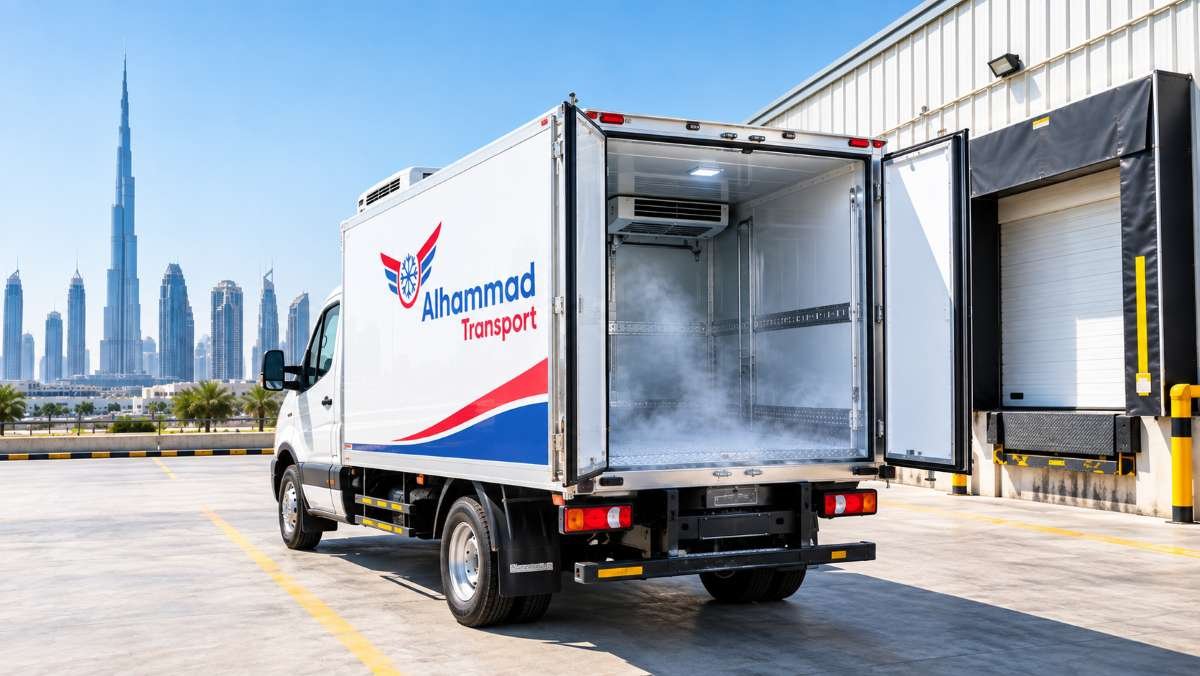
refrigerated transport system is any vehicle built to hold a stable internal temperature regardless of what’s happening outside — insulated panels, a dedicated refrigeration unit, and sealed cargo doors that don’t let the heat creep in every time someone opens them. Choosing the right
refrigerated transport system starts with understanding your cargo’s exact temperature band, not just picking whatever’s available that day — something we cover in more detail on our
chiller van rental page.
The UAE Heat Problem
In most countries, a refrigerated van just has to fight off room-temperature air. In Dubai and Abu Dhabi, that same van is fighting off asphalt that can hit 60°C and ambient air pushing 45–48°C for months at a time. A refrigeration unit that works fine in Europe can genuinely struggle here if it wasn’t specified for Gulf conditions.This is why “refrigerated transport systems” isn’t one product — it’s a spectrum. A chiller van typically holds +5°C to +10°C, which is fine for dairy or drinks but does nothing for frozen seafood. A freezer van needs to hold -18°C to -25°C, and it needs a compressor strong enough to recover that temperature fast every time the driver opens the door for a delivery. Get the match wrong, and you find out the hard way — usually when the goods are already spoiled.
Compliance Isn’t Optional Here
Food and pharmaceutical transport in the UAE falls under Dubai Municipality and ADAFSA (Abu Dhabi Agriculture and Food Safety Authority) requirements, and pharma logistics generally needs to follow Good Distribution Practice (GDP) standards with temperature logging. If you’re moving medicine, vaccines, or anything with a regulatory paper trail, ask your provider directly whether they log temperatures on every trip. Not every rental company does.
The Three Refrigerated Transport Systems You’ll Actually Choose Between
Most businesses in Dubai and Abu Dhabi end up choosing between three
refrigerated transport systems. Here’s how they actually differ in practice, not just on a spec sheet.
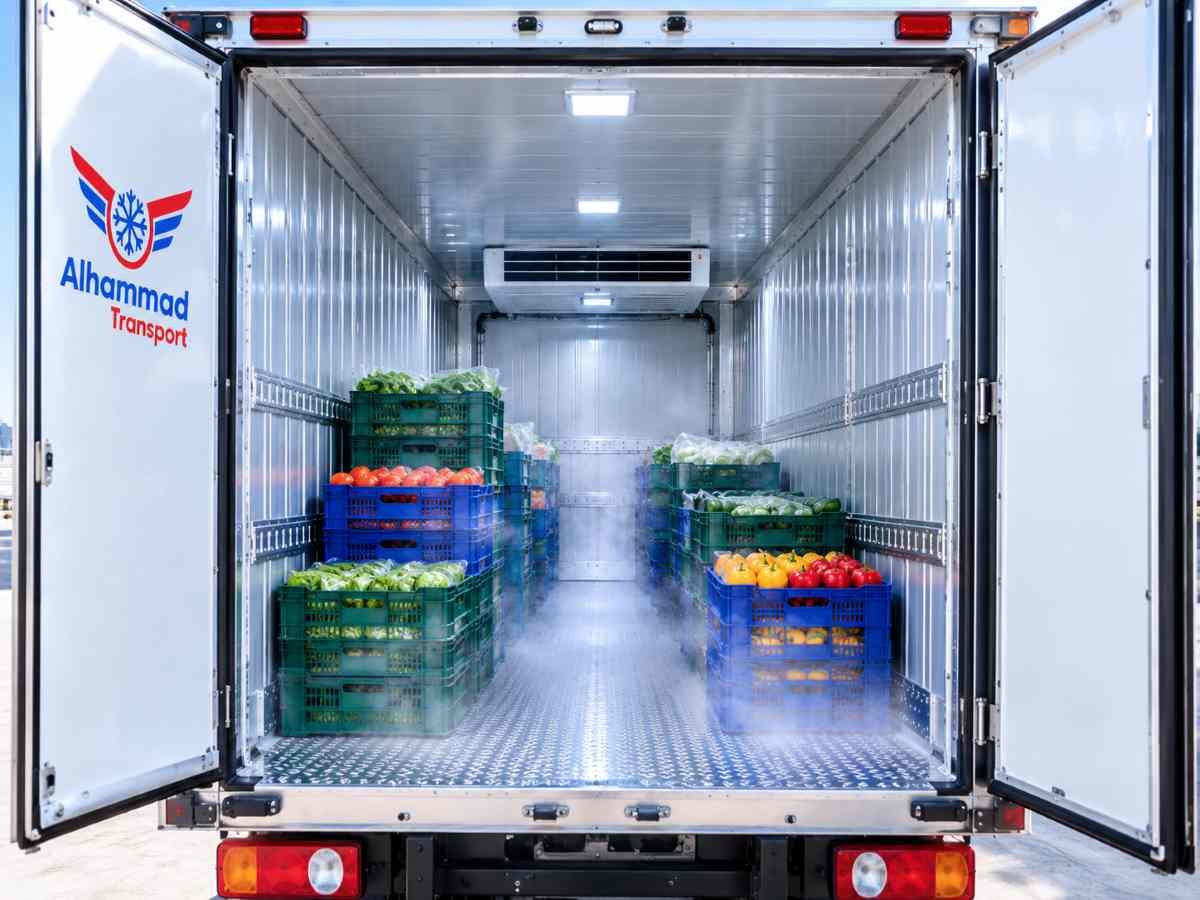
These are the workhorses of daily cold chain delivery — think restaurants, bakeries, florists, small supermarkets, and pharmacies. They typically run +5°C to +10°C and are sized to move through Dubai traffic and squeeze into tight loading bays in Deira or Bur Dubai. If you’re doing multiple short-hop deliveries a day, this is almost always your starting point.
Freezer Vans and Freezer Trucks
Anything that needs to stay hard-frozen — ice cream, frozen meat, shellfish, frozen ready meals — needs a freezer unit holding -18°C or colder. The key difference from a chiller van isn’t just the target temperature; it’s recovery speed. A freezer van making ten stops needs to snap back to -18°C within a minute or two of the door closing, or the product at the back of the load starts to soften on a hot afternoon.
Refrigerated Trucks (3, 7, and 10 Ton)
Once you’re moving pallets rather than boxes — wholesale food distribution, supermarket restocking, or bulk pharma — you need a proper refrigerated truck. These come in 3-ton, 7-ton, and 10-ton capacities across the UAE market, often with a tail lift for palletized loading at warehouses in Al Quoz, Jebel Ali, or Mussafah in Abu Dhabi.
A quick rule of thumb we give every new client: match the vehicle to your worst-case cargo, not your average one. If you occasionally ship something frozen alongside chilled stock, you either need a partitioned dual-zone van or you need to book two vehicles. Trying to force -18°C cargo into a +5°C van “just for one trip” is how businesses end up with a very expensive lesson.
How to Choose the Right Refrigerated Transport Systems Partner in Dubai or Abu Dhabi

Picking the vehicle type is the easy part. Picking the company is where most of the actual risk sits.
Ask About Real Coverage, Not Just a Website Map
Plenty of providers list every emirate on their homepage. Far fewer actually dispatch same-day to Abu Dhabi, Al Ain, or Sharjah without a full day’s notice. If your business runs across multiple emirates, ask directly: “If I call you at 8 a.m., can a van be at my Abu Dhabi warehouse by noon?” The answer tells you everything.
Check What’s Actually Included in the Rate
Rental rates for
refrigerated transport systems in the UAE market generally sit somewhere between AED 250 and AED 550 per day depending on vehicle size, with monthly contracts working out noticeably cheaper per day than daily bookings. But the headline rate rarely tells the full story. Ask specifically about:
- Whether a driver is included, or if it’s self-drive only
- Fuel — included or billed separately
- What happens if the refrigeration unit fails mid-route
- Minimum rental periods for daily bookings
Monthly contracts are almost always the better deal if you have recurring cold-chain needs — restaurant restocks, pharmacy deliveries, weekly wholesale runs. The per-day cost typically drops noticeably once you commit to a month, and you skip the hassle of re-booking every few days. If your volume is genuinely unpredictable, though, don’t lock into a monthly contract just to save money — an idle refrigerated truck sitting outside your warehouse costs more than the daily rate ever would.
Match Response Time to Your Actual Risk
If you’re running a restaurant with a single weekly stock delivery, a next-day provider is fine. If you’re running perishable goods for events, catering, or emergency pharma runs, you need a provider that can turn around a booking in hours, not days — because your real emergencies never happen during business hours on a Tuesday.
Searching “Refrigerated Transport Near Me”? Here’s What That Should Actually Mean
If you’ve typed “
refrigerated transport systems near me” into Google, you’re probably trying to solve a same-day problem — a supplier fell through, a fridge broke down, or an order came in bigger than expected. In that situation, “near me” matters less than “available now.”A provider based in Dubai but dispatching from a single yard can still reach Abu Dhabi, Al Ain, or Sharjah within hours if their fleet and drivers are set up for it. We run out of International City in Dubai, but a large share of our bookings come from Sharjah and Ajman businesses who’ve found that a slightly longer drive with a reliable van beats a “local” option that can’t guarantee the temperature holds.If you’re comparing refrigerated truck rental in Dubai against a provider physically closer to you, ask both the same three questions: What’s your realistic dispatch time today? What’s included in the quoted rate? And what happens if the unit fails halfway through my route? The answers usually matter more than the pin on the map.
What Seven Years on Dubai’s Roads Actually Taught Us
When we started out, we made the same mistake a lot of new operators make: we assumed a chiller van was a chiller van. Early on, we sent a standard +5°C chiller van to handle what turned out to be a frozen meat order, because the client’s paperwork just said “refrigerated goods” and nobody asked the follow-up question.The meat arrived soft. Not spoiled exactly, but no longer sellable as premium cuts, and the client — understandably — was furious. We covered the loss, but more importantly, we changed our intake process that week. Now, before any vehicle leaves our yard in International City, someone confirms the exact cargo type and required temperature, in writing, every single time. It sounds like an obvious step. It wasn’t obvious to us until it cost us a client relationship we had to work hard to rebuild.The bigger lesson: in this business, the failure almost never happens because the equipment is bad. It happens because nobody asked the right question before the van left the yard.
What the Data Says About Where This Industry Is Heading
This isn’t just anecdotal. Market research firm Mordor Intelligence puts Dubai’s share of the UAE cold chain logistics market at 32.60% in 2025, with the segment projected to grow at a 5.78% CAGR through 2031 —
read the full Mordor Intelligence report. Other analysts, including IMARC Group, which valued the UAE cold chain logistics market at USD 1.4 billion in 2024 and projects it will reach USD 2.9 billion by 2033
(source), point to similar drivers behind that growth: rising demand for fresh food, expanding online grocery delivery, and growth in vaccine and pharmaceutical distribution.That lines up with what we see on the ground — more restaurants, more cloud kitchens, and more online grocery platforms needing reliable
refrigerated transport systems than at any point since we started.Separately, a report from Avery Dennison and the Centre for Economics and Business Research estimated that food waste across the global retail supply chain runs into the hundreds of billions of dollars every year, and a meaningful share of that traces back to breaks in the cold chain — a van that wasn’t cold enough, or wasn’t cold enough for long enough. In a market where produce and seafood often travel long distances to reach Dubai and Abu Dhabi kitchens, the transport leg is usually the weakest link, not the storage facility on either end.
Wrapping This Up
Refrigerated transport systems in the UAE aren’t complicated once you break it down: match your vehicle to your coldest cargo, confirm your provider’s real coverage and response time, and get the pricing details in writing before you book — not after.
If you’re weighing up chiller vans, freezer vans, or refrigerated trucks for your business in Dubai, Abu Dhabi, Sharjah, or anywhere else in the UAE, we’re happy to talk through what actually fits your route and your cargo — no obligation. Call or WhatsApp Alhammad Transport at 052 765 9900, or drop us a message through our contact page, and we’ll help you figure out exactly what you need.
Frequently Asked Questions
Q: What temperature does a chiller van maintain compared to a freezer van?
A chiller van typically holds +5°C to +10°C, suited to dairy, drinks, fresh produce, and pharmaceuticals. A freezer van holds -18°C or colder, for frozen meat, seafood, and ice cream. Using the wrong one for your cargo is the single most common (and costly) mistake we see.
Q: How much does refrigerated transport cost in Dubai?
The cost of
refrigerated transport systems in Dubai generally ranges from around AED 250 per day for a small chiller van up to AED 550 or more per day for larger refrigerated trucks, with monthly contracts offering better value than daily bookings. Always confirm whether a driver and fuel are included before comparing quotes.
Q: Can I rent a refrigerated truck for just one day?
Yes. Most providers, including us, offer daily rentals alongside weekly and monthly contracts, so a one-off event, wedding order, or single bulk delivery doesn’t require a long-term commitment.
Q: Do you provide refrigerated transport in Abu Dhabi, not just Dubai?
Yes. We cover Dubai, Abu Dhabi, Al Ain, Sharjah, Ajman, Umm Al Quwain, Fujairah, and Ras Al Khaimah. If you’re based in Abu Dhabi, it’s worth confirming same-day dispatch specifically, since not every “UAE-wide” provider actually offers it.
Q: Is a special license required to operate a refrigerated vehicle in the UAE?
No — in almost every case, the company providing your
refrigerated transport systems supplies a licensed, trained driver as part of the service. Self-drive options exist for businesses that prefer to use their own staff, but the vehicle and refrigeration unit still need to be serviced and checked by the provider.

 Picking the vehicle type is the easy part. Picking the company is where most of the actual risk sits.