
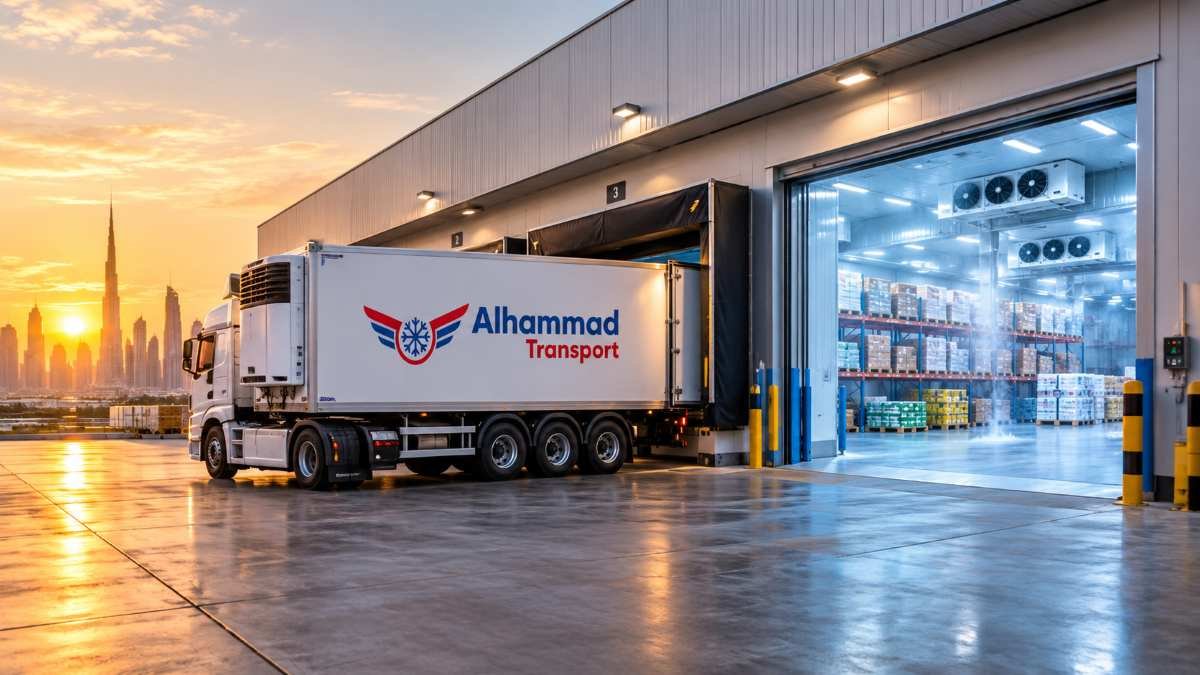
A friend who runs a small seafood distribution business in Ras Al Khor called me a few months back, half-panicked. He’d just found out his cold storage provider’s freezer room had been sitting a few degrees above spec for three days — nobody caught it until a client complained. That’s the thing about cold storage: you don’t notice it’s working until the day it isn’t.
If you’re searching for cold storage companies in Dubai right now, you’re probably somewhere on that spectrum — either sorting out a genuine problem or trying to avoid becoming my friend. Either way, his guide to cold storage companies in Dubai covers what actually matters: real pricing, where the good facilities cluster, which certifications are worth checking, and where storage alone stops being enough.
Why Dubai’s Cold Storage Market Looks the Way It Does
Dubai imports most of its food. Depending on the category, estimates put the UAE’s food import dependency somewhere north of 80–90%, which means a lot of produce, meat, and dairy sitting in a warehouse at some point between the port and the shelf. Add 45°C summer afternoons and a re-export business built around Jebel Ali Port and Al Maktoum Airport, and you end up with a genuinely large cold storage sector — bigger, per capita, than most cities its size.
That’s created a fairly specific map. Warehouses cluster around three zones: Jebel Ali Free Zone (JAFZA) for anything moving through the port, Al Quoz and Ras Al Khor for city-facing distribution, and a scattering of facilities in Dubai Industrial City and National Industries Park for larger operations. Abu Dhabi has its own cluster around Mussafah and KIZAD, mostly serving the capital and Al Ain rather than competing with Dubai’s volume.
None of that tells you which company to pick, though. That’s the part everyone skips past.
What “Cold Storage” Actually Covers
Before comparing cold storage companies in Dubai, it helps to know what you’re actually shopping for.
People use the term loosely, and it’s worth untangling before you start calling providers.
Fixed warehouse storage is what most people picture — a leased or rented cold room, usually inside JAFZA, Al Quoz, or a similar industrial zone, where goods sit for days, weeks, or months. This is what you need if you’re holding inventory, not just moving it.
Cold chain transport is the other half — chiller vans, freezer vans, and refrigerated trucks that move goods between the warehouse, the port, and the customer. A lot of businesses searching for “cold storage companies” are actually looking for this, especially if their real problem is a delivery arriving warm rather than a lack of storage space.
Most cold chain failures in Dubai happen in the gap between these two — goods sit perfectly at -18°C in storage, then spend forty minutes in an uninsulated van at ambient temperature. Worth keeping in mind before you assume storage is your only gap.
What to Check Before Choosing a Provider
Not all cold storage companies in Dubai are equal on these points, so ask directly.
Temperature range and zoning. Ask for the exact range they’ll guarantee in writing, not the marketing range on their homepage. A facility advertising “-25°C to +8°C” usually means separate zones, not one room swinging across 33 degrees. If a provider can’t tell you which zone your specific product will sit in, that’s worth a second question.
Certifications that actually apply. For food, look for FSSC 22000 or HACCP alongside Dubai Municipality food safety approval. For pharmaceuticals or anything medical, you want GDP (Good Distribution Practice) compliance and, if it crosses into Abu Dhabi, alignment with ADAFSA requirements. A company that rattles these off without hesitation has usually been through an audit; one that gets vague has usually not.
Monitoring, not just cooling. Ask specifically how temperature is logged — continuous sensor data with alerts, or someone walking around with a thermometer twice a day. My seafood-distributor friend’s incident happened because his old provider was still doing manual checks. Continuous logging would have flagged the drift within the hour, not three days later.
Contract flexibility. Some businesses need a year-round dedicated cold room. Others need a spike of extra space during Ramadan food imports or a seasonal produce rush. The stronger providers offer both; the weaker ones will try to lock you into a 12-month lease regardless of what you actually need.
What happens between the warehouse and the customer. This is the one people forget to ask about, and it’s usually the one that costs them.
Where the Best Cold Storage Companies in Dubai Are Located
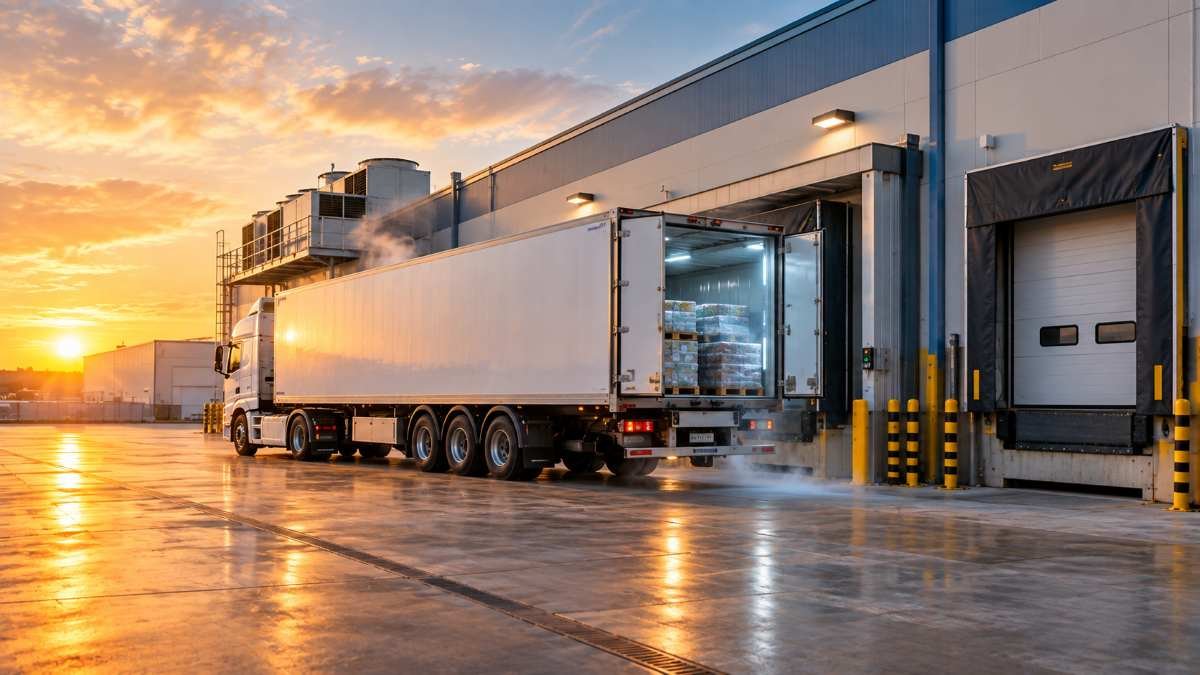
Most cold storage companies in Dubai cluster around one of four zones.
Jebel Ali Free Zone (JAFZA)
If your goods move through Jebel Ali Port, this is where you want to be. It’s a customs-bonded free zone, so goods can be stored and re-exported without clearing mainland customs each time — a genuinely useful advantage if you’re distributing across the GCC rather than just Dubai. JAFZA’s Logistics Park and Multi-Tenant Logistics Park both carry dedicated cold storage units alongside standard warehousing.
The catch: demand is high, rents have climbed, and any structural changes — adding a mezzanine, converting storage to office space — need written approval and usually come with an extra charge. Budget more lead time than you’d expect for a custom cold room fit-out here.
Al Quoz and Ras Al Khor
If you’re distributing mainly within Dubai city — restaurants, hotels, supermarkets — a mainland facility in Al Quoz or Ras Al Khor often makes more sense than paying a JAFZA premium for free zone benefits you won’t use. Ras Al Khor in particular sits close to the fish and produce markets, which matters if seafood is your product.
Dubai Industrial City and National Industries Park
Larger operations — food manufacturing paired with storage, or bigger third-party logistics providers — tend to sit here, where plot sizes run bigger and rents are somewhat more negotiable than JAFZA’s premium units.
Abu Dhabi: Mussafah and KIZAD
If you’re serving the capital, don’t assume a Dubai-based warehouse is close enough. Mussafah and Khalifa Industrial Zone Abu Dhabi (KIZAD) both host cold storage facilities aimed squarely at reducing the drive time into Abu Dhabi city and Al Ain, rather than routing everything through Dubai first.
What It Actually Costs
Pricing swings hard based on size, zone, and fit-out, so treat these as starting ranges rather than quotes.
| Storage Type | Typical Range | Notes |
| Small mainland cold room (Al Quoz/Ras Al Khor) | AED 40,000–90,000/year | Shell space; fit-out extra |
| JAFZA cold storage unit | AED 30–45 per sq ft/year | Premium for free zone access |
| Large logistics park unit (Dubai Industrial City) | AED 200,000–600,000+/year | Depends heavily on sqm |
| Short-term/on-demand cold storage | Priced per pallet/month | Better for seasonal spikes |
On top of the base rent, expect separate charges for DEWA, free zone service fees, insurance, and — this catches people out — the electricity bill for running refrigeration around the clock, which is not small in a 45°C summer.
If what you actually need is transport rather than a lease, the mobile side of the market is far more transparent. Chiller van rentals in Dubai currently run somewhere between AED 250 and AED 350 a day for a 1-ton van, freezer vans a little higher at roughly AED 280–300, and 3-to-10-ton refrigerated trucks landing between AED 450 and AED 800 a day depending on size and whether a tail lift is fitted. Monthly contracts bring the daily rate down noticeably — often by a third or more.
A Real Example of Where Storage Alone Falls Short
It’s a reminder that even the best cold storage companies in Dubai only solve half the cold chain problem.
Back to my friend in Ras Al Khor. Once the freezer issue was sorted, his next question wasn’t “how do I find a better warehouse” — it was “how do I stop this happening between the warehouse and the restaurant.” His storage was fine. His delivery vehicle was an ordinary van with a cooler box wedged in the back, doing the last leg on a Dubai summer afternoon.
That’s a more common gap than people assume. A cold storage warehouse for rent in Dubai solves the “where do my goods sit” problem. It does nothing for the twenty minutes your driver spends stuck in traffic on Sheikh Zayed Road with the doors shut and no active cooling. That’s a transport problem, not a storage problem, and it needs a properly insulated, mechanically cooled vehicle — a chiller van or refrigerated truck — not a bigger warehouse.
This is genuinely where Alhammad Transport fits into the picture. We’re not a warehouse operator; we rent chiller vans, freezer vans, and refrigerated trucks across Dubai, Abu Dhabi, Sharjah, Ajman, and Al Ain, with or without a driver, on daily, weekly, or monthly terms. If your storage is sorted and the gap is getting goods from that warehouse to the final stop without breaking the cold chain, that’s the half of the problem we solve.
A Short List of Names Worth Knowing
This isn’t exhaustive, and none of these are ranked — treat it as a starting shortlist to call, not a verdict.
Here’s a short list of cold storage companies in Dubai worth calling first.
- Cargoz — cold storage across several Dubai locations including Dubai Industrial City, Al Qusais, and Ras Al Khor, with separate chilled and frozen zones.
- Clarion Shipping — runs an FSSC 22000-certified cold chain distribution centre inside JAFZA (South), handling seafood, dairy, and pharma clients.
- Indu Logistics — cold store space in both JAFZA and Dubai Technopark, positioned more as an e-commerce fulfilment partner than a pure warehouse landlord.
- Snowland Cooling Systems — not a storage lessor; they design and build cold rooms and walk-in freezers for restaurants, supermarkets, and pharma clients who want their own facility rather than rented space.
- Al Khair Cold Stores — an established operator close to Dubai’s ports and airport, popular with importers and exporters.
For the transport side of the equation, the market includes a handful of specialist chiller van and refrigerated truck rental companies operating out of International City, Al Quoz, and Mussafah, most offering HACCP-aligned operations, GPS tracking, and 24/7 dispatch — features that have become fairly standard rather than a differentiator at this point.
What the Industry Is Telling Us Right Now
The consistent signal across UAE logistics commentary is that certification is no longer optional the way it was five years ago. International food brands increasingly require FSSC 22000 or equivalent as a condition of doing business, and the pharma side is being pulled the same direction by GDP compliance requirements. The other trend worth watching: e-commerce grocery and quick-delivery services are pushing demand for smaller, closer-to-customer cold storage rather than one large central warehouse — which is partly why mainland options like Al Quoz have stayed relevant even as JAFZA has grown.
Frequently Asked Questions
What’s the difference between chilled and frozen cold storage?
Chilled sits between roughly +2°C and +8°C — fresh produce, dairy, beverages. Frozen runs -18°C to -25°C for meat, seafood, and frozen meals. A properly built facility keeps these in separate zones rather than one compromise temperature.
Is JAFZA the best location for cold storage in Dubai?
For anything moving through Jebel Ali Port or getting re-exported across the GCC, yes — the customs-bonded status is a real advantage. If you’re only distributing within Dubai city, a mainland facility in Al Quoz or Ras Al Khor is often cheaper and just as functional.
How much does a cold storage warehouse cost to rent in Dubai?
Small mainland units start around AED 40,000–90,000 a year for shell space. JAFZA units typically run AED 30–45 per square foot annually. Larger logistics park facilities can run into the hundreds of thousands depending on size.
Do cold storage companies in Dubai also handle transport?
Some larger third-party logistics providers bundle both. Most dedicated cold storage companies in Dubai focus purely on storage, which is why businesses commonly pair a storage provider with a separate chiller van or refrigerated truck rental company to cover the delivery leg.
What certifications actually matter?
FSSC 22000, HACCP, and Dubai Municipality food safety approval for food. GDP compliance for pharmaceuticals, alongside ADAFSA alignment if goods cross into Abu Dhabi. Ask providers directly which certifications apply to the specific facility you’d be using — not just the company as a whole.
Bottom Line
Picking among the cold storage companies in Dubai comes down to matching temperature range, certification, and location to how your goods actually move — not just finding the cheapest square footage. And whichever warehouse you land on, don’t assume the job’s done until you’ve checked what happens to your goods on the drive out.
If that last stretch is the gap in your setup, Alhammad Transport rents chiller vans, freezer vans, and refrigerated trucks across Dubai and the wider UAE — daily, weekly, or monthly, with or without a driver.